Articles
Long-form writing on tech, culture, and the edges of the internet.
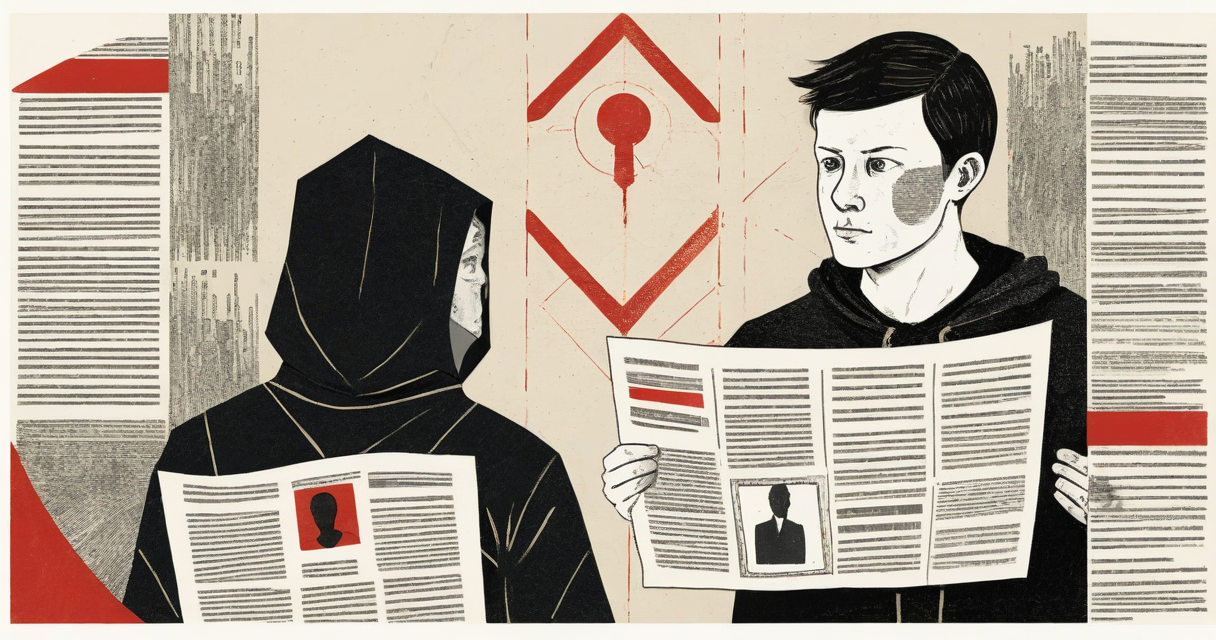
CISA pushed passwords to a public repo
A top cyberdefense agency published credentials in a public GitHub repository. A control analysis of what failed and what must now be true.
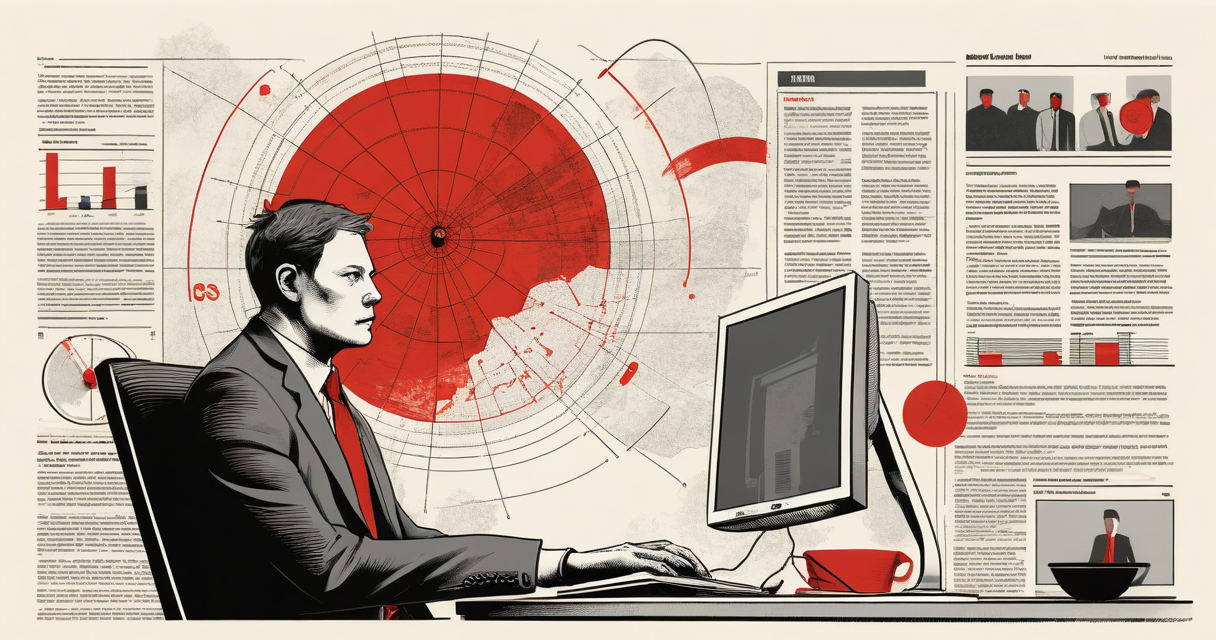
Cloudflare's CISO spent two weeks breaking Mythos
Cloudflare's CISO red-teamed Anthropic's Mythos LLM. The findings on harness design, memory persistence, and tool allowlists matter more than the model itself.

Discord's E2EE doesn't make your calls private
Discord rolled out E2EE on voice and video calls. What the control covers, what it does not, and where attackers will redirect effort.
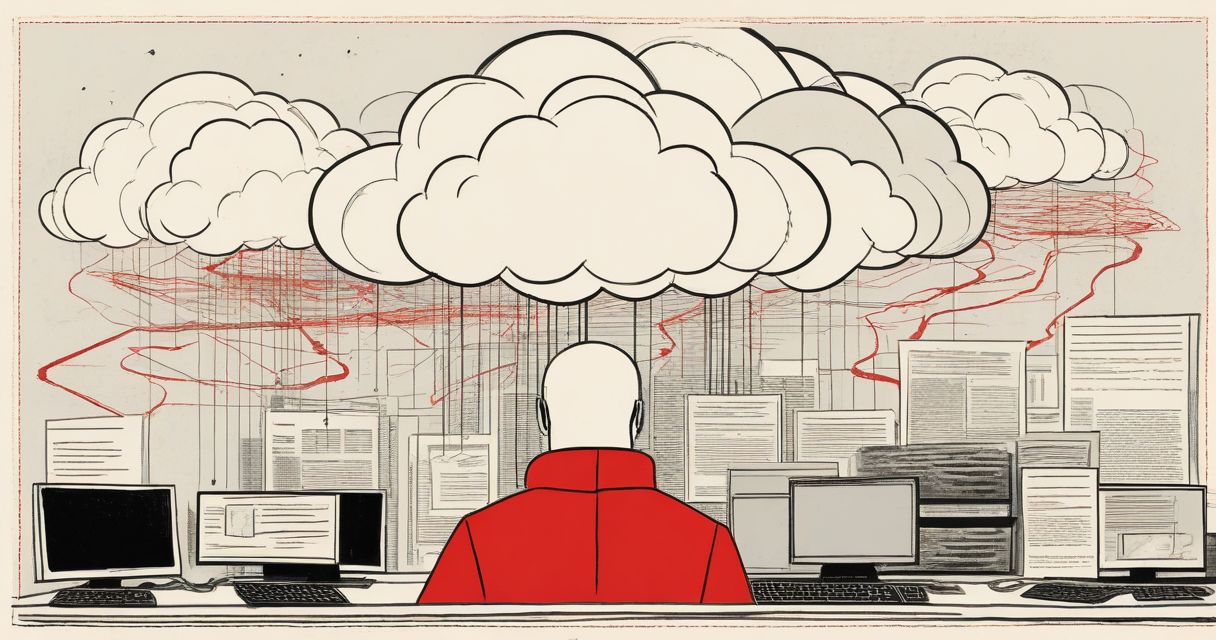
Entra ID trades your credential for a token
Microsoft Entra ID resolves trust at sign-in and honors bearer tokens on reference, not verification, which is how one compromised login becomes a cloud breach.
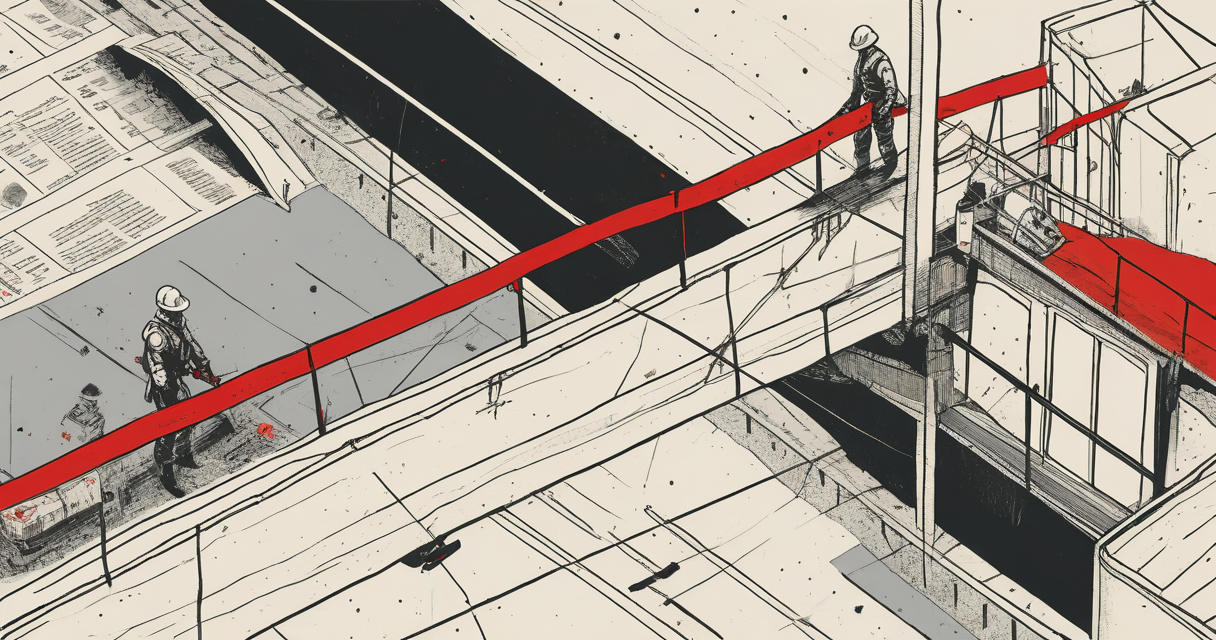
Forge guardrails took an 8B model from 53% to 99%
A Show HN post says Forge guardrails took an 8B model from 53% to 99% on agentic tasks. Here's what that means for security and reliability.
GitHub breached. Scope unknown.
GitHub disclosed an internal data breach with no mechanism stated. Operator analysis of confirmed facts, structural exposure, and required tenant action.
How GCC 4.3 deleted a NULL check in 2009
How undefined behavior in C lets compilers delete safety checks, why it drives most memory-safety CVEs, and what it means for AI-generated code.
March 2019 changed who reads binaries
Free disassemblers and decompilers changed who can audit binaries. The defender, attacker, and AI safety implications are now playing out in practice.

Microsoft issued a login code no one requested
A single-use Microsoft code arriving unrequested is evidence an identity boundary acted without its owner - a control that must be verified, not trusted.
SMS 2FA was never authentication
Microsoft is replacing SMS one-time codes with passkeys. M. Hale defines what failed, why it failed, and where the boundary still leaks.
The 2021 bucket that sat open for nine years
Abandoned files, forgotten buckets, and stale subdomains are the cheapest way attackers get in. Here is how to find yours before they do.

The breach isn't the leak. It's the leaker.
A board-level reading of a U.S. cybersecurity agency credential exposure on GitHub, framed as runtime control failure and institutional risk.