First Transmission
Information systems became power systems. This site exists to examine what actually happened.
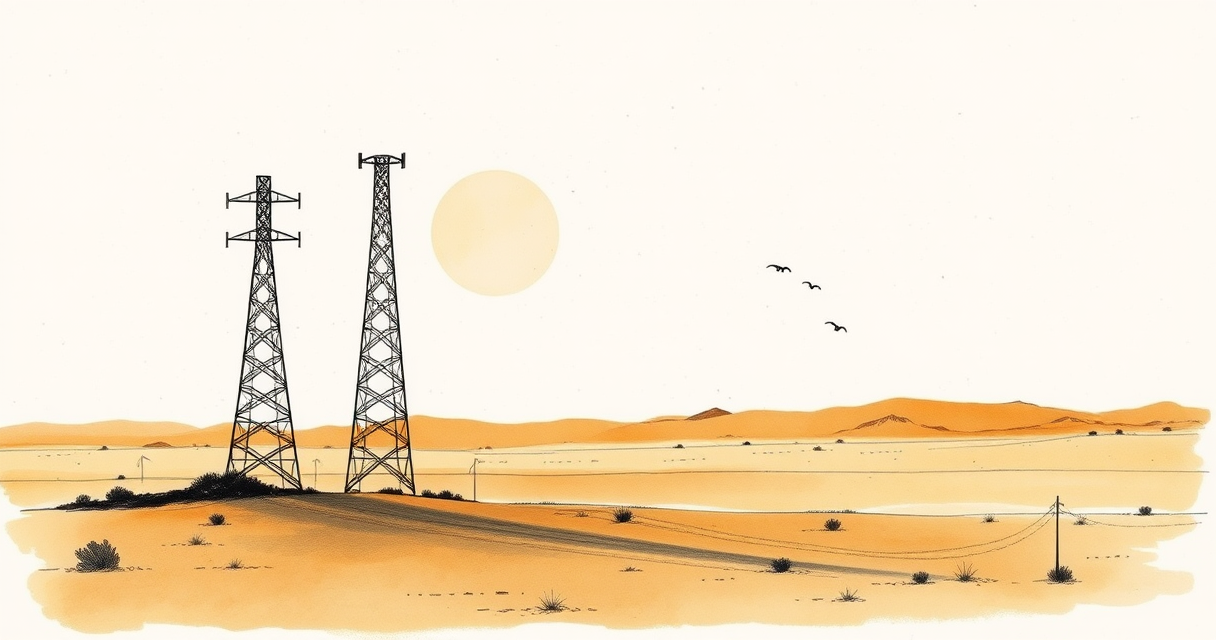
Information systems became power systems. That is the central fact of the last thirty years.
The internet was designed as a communication network. Open protocols, shared standards, decentralized routing. The architecture reflected a set of assumptions about how information should move: freely, without gatekeepers, accessible to anyone who could connect. Those assumptions held for a while. Then capital arrived and reorganized everything around extraction.
The technology did not break. The incentive structure shifted. Platforms discovered that controlling the flow of information was more profitable than facilitating it. Attention became a commodity. Behavioral data became an asset class. The network designed for open exchange became an infrastructure for surveillance, prediction, and influence. The transformation was not hidden. It simply happened faster than the language to describe it.
What followed was a second drift, quieter but just as consequential. The writing about technology began to serve the interests of the systems it described.
Product announcements were dressed as analysis. Marketing copy circulated as thought leadership. Technical explainers explained everything except the parts that mattered: who benefits, who pays, and what happens to the data. The coverage class that was supposed to hold power accountable became, in most cases, an extension of the industries it covered. Not through conspiracy. Through economics. The publications depended on access. Access depended on cooperation. Cooperation depended on favorable coverage.
The result is an information environment where the most important dynamics in technology are the least examined. Not because they are secret. Because examining them honestly conflicts with the business model of the outlets that would do the examining.
This site exists in response to that gap.
Random Chaos is not a news outlet. It is not a consultancy blog. It does not have sponsors, access agreements, or affiliate relationships shaping what gets written. What it has is a narrow set of interests: how technology reshapes economies, governments, and human behavior. How systems designed for one purpose drift toward another. How the language used to describe these systems obscures more than it reveals.
The approach is direct. Write about what is actually happening, not the version that gets presented at conferences or summarized in earnings calls. Follow the architecture, the data flows, the economic structures. Treat the reader as someone capable of handling complexity without having it packaged into listicles or wrapped in false optimism.
There will be no publishing schedule. No content calendar. No engagement strategy. Pieces arrive when they are ready. Some will be short observations about a specific pattern. Some will be longer examinations of systems that billions of people interact with daily without understanding how they work or whose interests they serve.
The signal is already out there, buried under noise. This is an attempt to isolate it.
Keep Reading
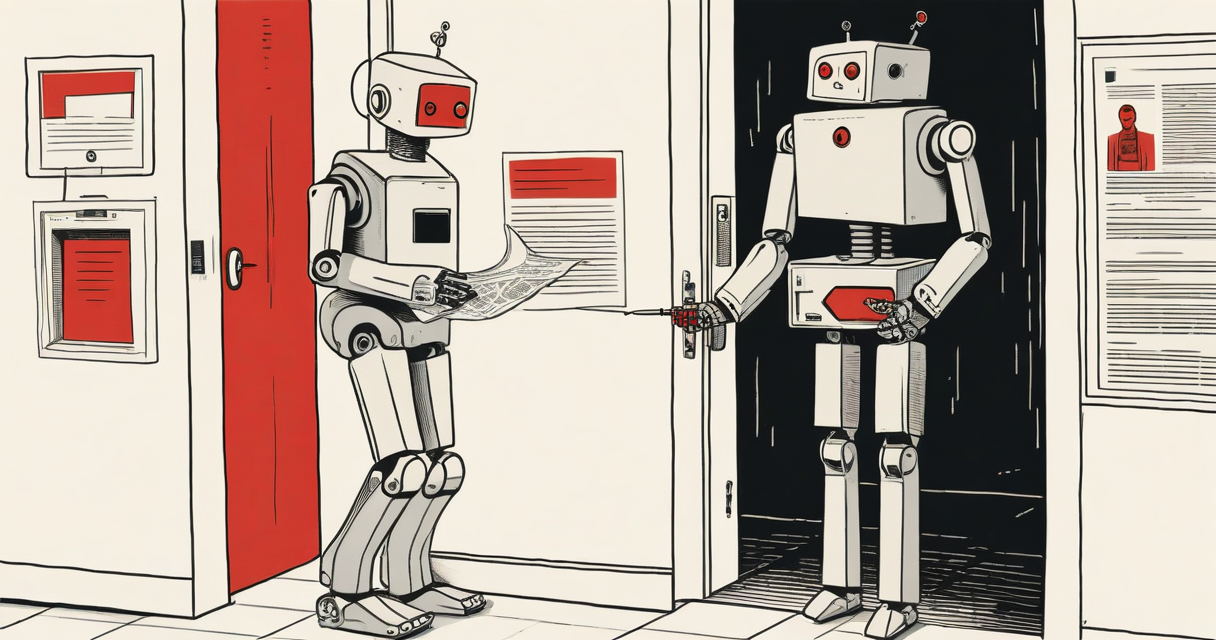 prompt-injection
The chatbot answered the door for attackers
Meta's Instagram chatbot abuse case is a prompt injection and confused deputy failure. Technical breakdown of the vector, telemetry gap, and residual exposure.
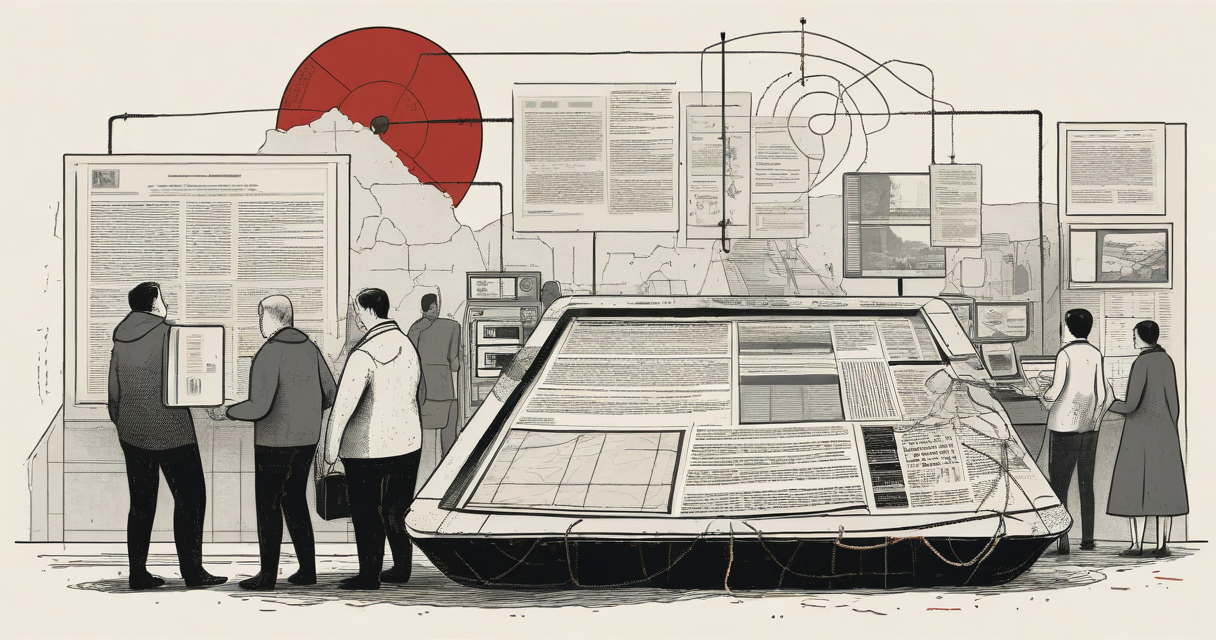 portal
Meta ships ADB-enabled firmware to deprecated Portals
Meta deprecated Portal devices with ADB enabled and patches stopped. Unpatched Android cameras and microphones now sit as permanent network exposure.
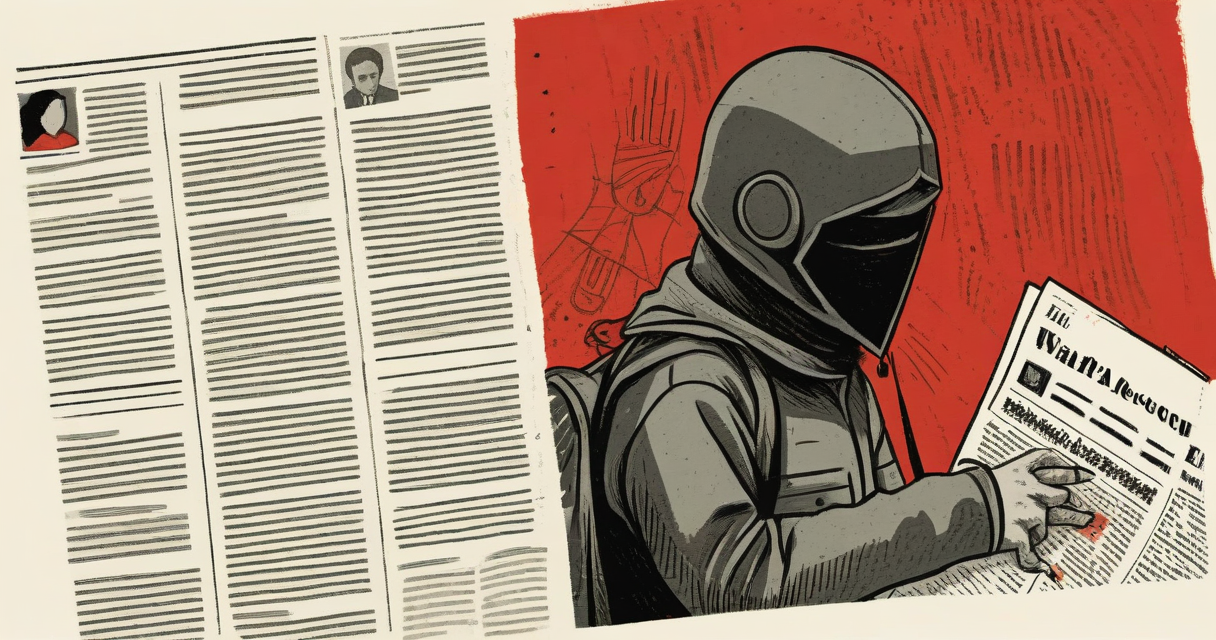 whatsapp
The WhatsApp breach was not a breach
Technical analysis of the WhatsApp dataset incident: contact discovery oracle abuse, rate-limit bypass, MITRE T1589.002, and the downstream attack surface.
Latest on the Wire
Full wire →- AI Ends the Fixed-Function App — and the Author Is Building a Phone for ItHacker News
- Appeals Court Backs Pentagon's Blacklisting of Anthropic Over ClaudeHacker News
- Botched Samsung firmware update bricks smart fridges, spoils food before Korean holidayHacker News
- DHH's Rails World keynote pulls a flagship app off Rails and bets everything on LLMsHacker News
New signal daily · RSS
Stay in the loop
New writing delivered when it's ready. No schedule, no spam.